
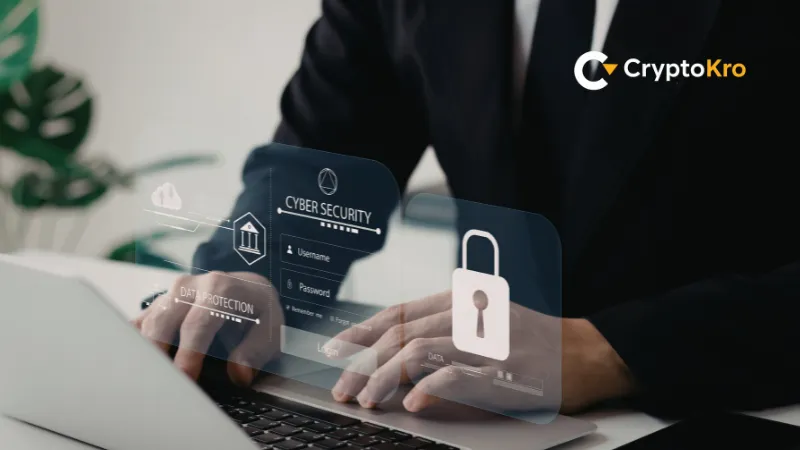

Cyber threats are not just a problem for big companies or governments. Small businesses can also be targeted. In fact, they are often more at risk because they may not have strong security systems or enough resources to protect themselves.
Because of this, it is very important for small businesses to stay protected from cyberattacks. A single attack can cause serious damage, including loss of data, money, and customer trust.
However, cybersecurity can feel confusing since threats keep changing all the time. This guide will help small businesses understand the risks and learn simple ways to stay safe.
Why Cybersecurity Matters for Small Businesses
Cyberattacks can put your money, data, and computer systems in danger. If a hacker gets into your network, they can cause serious harm by stealing important information like:
- Customer lists
- Credit card details
- Company bank information
- Pricing details
- Product designs
- Future business plans
- Manufacturing processes
- Other valuable ideas or data
These attacks don’t just affect your business. Hackers can also use your system to enter other companies you work with, putting them at risk too.
Today, cybersecurity is even more important because many people work remotely. Small businesses use online tools for meetings, marketing, buying and selling, talking to customers, and banking. That’s why it’s very important to protect your data and online systems from hackers, both to avoid money loss and to maintain your reputation.
Simple Cyber Safety Tips Every Small Business Should Follow
Small businesses may feel they can’t do much against cyberattacks, but the truth is there are many simple steps you can take to stay safe. Here are some important cybersecurity tips:
1. Train your employees
Your employees can sometimes cause security issues by mistake like clicking on fake emails or sharing passwords. Teach them how to create strong passwords and spot suspicious emails. Also, set clear rules on how to handle important data.
2. Check your risks
Look at where your business data is stored, who can access it, and what risks exist. This helps you find weak points and fix them before hackers can exploit them.
3. Use antivirus software
Install good antivirus software on all devices to protect against viruses, scams and malware. Keep it updated so it can handle new threats.
4. Keep software updated
Always update your apps, systems, and even Wi-Fi routers. Updates fix security issues and keep your systems safe.
5. Back up your data
Regularly save copies of your important files. If something goes wrong, you can restore your data and continue working. Keep backups stored safely, even offline.
6. Encrypt important data
Encryption turns your data into unreadable code. Even if hackers steal it, they won’t be able to use it.
7. Limit access to data
Only give important data access to people who really need it. This reduces the risk of misuse or leaks.
8. Secure your Wi-Fi
Use strong and updated Wi-Fi security (like WPA2 or higher). Change your network name and use a strong password.
9. Use strong passwords
Make sure all passwords are long and complex. Ask employees to change them regularly and use extra security like two-step verification.
10. Use password managers
Password managers help store and create strong passwords so employees don’t have to remember everything.
11. Install a firewall
A firewall helps block hackers and harmful traffic from entering your network.
12. Use a VPN
A VPN keeps your internet connection secure especially when working remotely or using public Wi-Fi.
13. Protect your devices physically
Keep your devices safe from theft. Use locks, tracking tools and remote wipe features in case a device is lost.
14. Secure mobile devices
Phones and tablets should also be protected with passwords, encryption and security apps. Have a plan in case they are lost or stolen.
15. Check third-party security
If you work with partners or suppliers, make sure they also follow strong security practices before giving them access to your systems.
Impact of cyberattacks on small businesses?
Cyberattacks can seriously harm small businesses, often more than they expect. If a business gets attacked, it can lose important data like customer details, payment information, and business plans. This can lead to money loss, either from stolen funds or from the cost of fixing the damage.
These attacks can also stop business operations for hours or even days. This means no sales, delayed work, and unhappy customers. Another big issue is trust—if customers feel their data is not safe, they may stop using the business and choose someone else.
In some cases, businesses may also face legal trouble or fines if they fail to protect customer data. Cyberattacks can also slow down employees and make systems difficult to use. Overall, even one attack can disturb daily work, affect growth, and in serious cases even shut down a small business.
Conclusion
In simple terms, cybersecurity is a must for small businesses today. Even a small mistake can cause big problems like losing money, data, or customer trust. The good thing is that you don’t need expensive or complicated tools to stay safe. Basic steps like training employees, using strong passwords, updating software and protecting data can help a lot. By staying careful and taking simple precautions, small businesses can avoid risks, keep their work running smoothly, and earn the trust of their customers.
FAQs
1. What is cybersecurity for small businesses?
Cybersecurity means protecting your business data, systems, and devices from hackers, viruses, and online threats.
2. Why are small businesses targeted by cyberattacks?
Small businesses are often targeted because they may not have strong security systems, making them easier for hackers to attack.
3. What are common types of cyberattacks?
Some common attacks include phishing emails, malware, ransomware, and password hacking.