
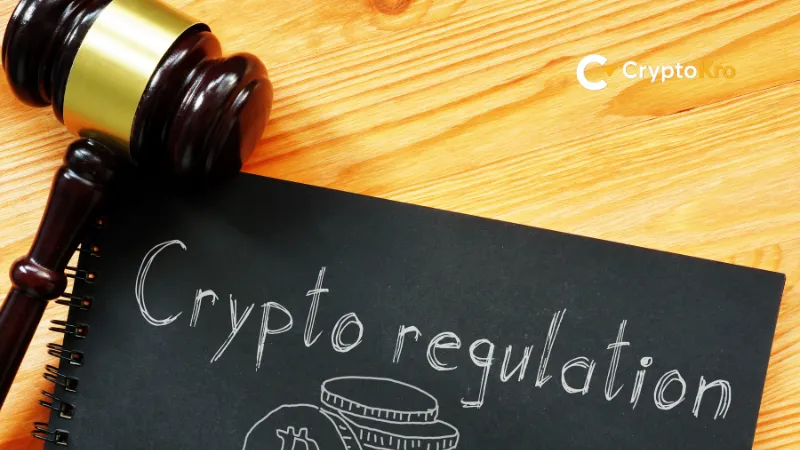

Cryptocurrency regulation is now becoming more clear and organized around the world. In the United States lawmakers made progress in 2025 by creating new rules for stablecoins and digital asset markets. One important law, the GENIUS Act, has already been approved.
Different countries have different rules but most governments are trying to support innovation while also protecting investors and keeping financial systems stable. Governments are now creating clearer rules on how cryptocurrencies are created, traded, and taxed.
Understanding these regulations can help people see how crypto is becoming part of the global financial system and what challenges still need to be solved.
Understanding Cryptocurrency Regulations
Cryptocurrency rules are different in every country, but many governments are now creating laws to make the industry safer and more organized. These rules are mainly meant to protect investors, stop fraud, reduce money laundering, and make sure crypto companies follow financial regulations.
In many countries crypto exchanges and trading platforms must register with financial authorities and verify the identity of their users through KYC (Know Your Customer) and AML (Anti-Money Laundering) rules. Governments want to make crypto transactions more transparent and secure.
Some countries treat cryptocurrencies as property while others see them as securities, commodities or digital assets. This affects how crypto is taxed and regulated. Governments are also paying close attention to stablecoins because they are connected to traditional currencies and can impact the financial system.
Crypto regulations can also cover areas like crypto mining, digital wallets, token launches, advertising and DeFi platforms. While some countries support crypto innovation others have added restrictions due to concerns about financial risks and illegal activities. Overall the goal is to balance innovation with user protection and financial stability.
How Crypto Is Regulated in the United States
Cryptocurrency in the United States is regulated by different government agencies, with each one handling a specific part of the crypto industry. The main goal of these rules is to protect investors, stop fraud, prevent illegal activities, and make the crypto market safer and more transparent.
The U.S. Securities and Exchange Commission (SEC) regulates crypto projects and digital tokens that may be treated as investments or securities. The Commodity Futures Trading Commission (CFTC) oversees cryptocurrencies like Bitcoin when they are considered commodities and also manages crypto futures trading.
The Internal Revenue Service (IRS) treats cryptocurrency as property which means people may need to pay taxes on profits earned from crypto trading or investing. At the same time, FinCEN requires crypto exchanges and platforms to follow KYC and AML rules to verify user identities and monitor suspicious activities.
U.S. regulators are also working on new rules for stablecoins, crypto exchanges, and digital asset markets to create clearer laws for businesses and investors. Some states, like New York have their own crypto licensing systems while others are creating crypto-friendly policies to attract blockchain companies. Overall, the U.S. is trying to support innovation while also protecting consumers and the financial system.
How the U.S. regulates stablecoins
The GENIUS Act is the first federal law in the United States to create clear rules for stablecoins. The law defines stablecoins as digital currencies linked to the U.S. dollar and mainly used for payments.
Under the law, only companies approved by U.S. regulators or foreign companies registered in the U.S. are allowed to issue stablecoins. The goal is to create better control and oversight of the stablecoin market.
The law also requires issuers to fully back every stablecoin with cash or other highly liquid assets. In addition, companies must follow monthly audit rules, anti-money laundering regulations, consumer protection standards and disclosure requirements to improve trust and transparency in the market.
Conclusion
Cryptocurrency regulation is becoming more important as digital currencies continue to grow around the world. Governments are creating clearer rules to support innovation while also protecting investors, reducing fraud, and keeping financial systems safe. Even though crypto laws are different in each country most governments want to make the industry more transparent, secure, and trustworthy for users and businesses.
In the United States, different government agencies like the U.S. Securities and Exchange Commission (SEC), Commodity Futures Trading Commission (CFTC), Internal Revenue Service (IRS), and FinCEN regulate different parts of the crypto market. New laws such as the GENIUS Act also show that governments are working to create better rules for stablecoins and digital assets. While challenges like scams, money laundering, and market risks still exist, regulations are expected to play a major role in helping the cryptocurrency industry grow safely in the future.
FAQs
1. What is cryptocurrency regulation?
Cryptocurrency regulation refers to the laws and rules created by governments to manage how digital currencies are created, traded, taxed, and used. These rules help protect investors and make the crypto market safer.
2. Why do governments regulate cryptocurrency?
Governments regulate cryptocurrency to prevent fraud, money laundering, scams, illegal activities, and financial risks. Regulations also help improve transparency and investor protection.
3. Which agencies regulate cryptocurrency in the United States?
In the U.S., cryptocurrency is regulated by agencies such as the U.S. Securities and Exchange Commission (SEC), Commodity Futures Trading Commission (CFTC), Internal Revenue Service (IRS), and FinCEN.
Read More- Crypto Mining Explained: How It Works, Benefits, Calculator & US Laws